Why Industrial Blowers Are Essential for Heavy-Duty Ventilation
Introduction
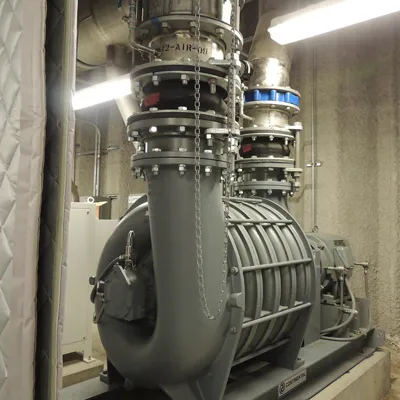
Big industrial facilities achieve adequate air circulation through their extensive machinery and warm temperatures and harmful pollutants using industrial ventilating systems. The operation of industrial ventilation depends on heavy-duty air blowers for maintaining proper airflow of clean air. Industrial HVAC blowers prove essential for factory ventilation due to what specific factors? This article explores industrial airflow technology as well as manufacturing process blower systems because they serve as fundamental equipment in multiple production sectors.
The Role of Heavy-Duty Air Blowers in Industrial Settings
Heat production together with dust emissions and toxic fume releases occur at factories and warehouses and production units on a large scale. The missing air quality solutions turn these working spaces dangerous to both personnel and equipment. The continuous operation of high-performance exhaust fans together with industrial cooling fans works to:
- Industrial heat dissipation remains under control which protects machines from overheating conditions.
- The implementation of work environment air quality solutions must focus on removing dangerous gases while getting rid of harmful contaminants.
- The implementation of energy-efficient air systems leads to power consumption reduction.
Understanding Different Blower Systems for Manufacturing
Multiple industrial ventilation systems exist for different industrial requirements. There exist two primary variants of industrial ventilation system types.
Centrifugal Blower Technology
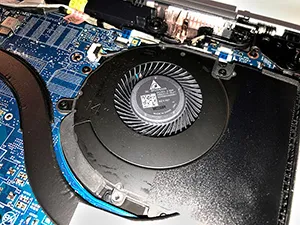
The centrifugal blower technology functions through rotating impellers which produce high-pressure airflow direction. The technology performs excellent in fields that need these operations:
- High static pressure and controlled airflow management technology.
- Air purification processes in cement, chemical, and power plants.
- Effective industrial heat dissipation in smelting and metal processing plants.
Axial Flow Ventilation
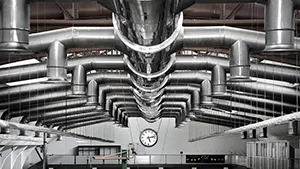
Unlike centrifugal blower technology, axial flow ventilation moves air parallel to the shaft, offering high airflow at lower pressure. It is commonly used for:
- Ventilation for factories with large open spaces, such as automotive and food processing units.
- Cooling applications with industrial cooling fans in HVAC systems.
- Workplace air quality solutions in underground tunnels and mines.
Importance of Industrial Blower Maintenance
Heavy-duty air blowers possess exceptional power which needs periodic industrial blower maintenance procedures to extend their duration and maintain their operational effectiveness. Key aspects of maintenance include:
- Routine Inspections: Checking bearings, belts, and blades for wear and tear.
- Cleaning and Lubrication: Preventing dust accumulation to maintain high-performance exhaust fans.
- Vibration Monitoring: Ensuring smooth operation to reduce downtime in blower systems for manufacturing.
- Energy Optimization: Adjusting controls for energy-efficient air systems.
Through routine maintenance of industrial blowers, organizations achieve both increased operational performance and prolonged existence of their heavy-duty ventilation systems.
The Importance of Industrial Heat Dissipation
Industrial heat accumulation results in failing equipment together with unsafe workplace situations. The installation of industrial ventilation systems functions to keep systems from overheating through their operational mechanisms.
- Facilitating industrial air circulation through axial flow ventilation and centrifugal blower technology.
- Enhancing machine efficiency with HVAC industrial blowers.
- Preventing health hazards related to excess heat exposure.
High-performance exhaust fans combined with industrial cooling fans serve as essential equipment for steel manufacturing facilities as well as glass production sites and power plant operations to manage heat effectively.
Enhancing Workplace Air Quality Solutions
Industries operating with poor air quality suffer from respiratory problems that result in both reduced staff productivity and government sanctions. Heavy-duty ventilation equipment used as workplace air quality solutions lead to the following benefits:
- Pollutant Control: Removing dust, chemical fumes, and harmful gases.
- Humidity Regulation: Preventing excess moisture that could damage machinery and materials.
- Odor Management: Keeping industrial spaces fresh and safe for workers.
Made possible through advanced airflow management technology, companies accomplish operational safety and workforce health enhancement as well as regulatory compliance goals.
The Impact of Energy-Efficient Air Systems on Cost Savings
Investing in energy-efficient air systems has long-term benefits, including:
| Feature | Benefits |
| Automated Controls | Optimizes airflow management technology to reduce energy waste. |
| Variable Speed Drives (VSDs) | Adjusts blower speed based on demand, reducing power usage. |
| Smart Sensors | Monitors real-time air quality and adjusts blower systems for manufacturing accordingly. |
| Sustainable Ventilation Methods | Reduces carbon footprint while maintaining optimal industrial air circulation. |
Implementing Sustainable Ventilation Methods
The rising strictness of environmental regulations encourages industries to adopt sustainable approaches for ventilation systems. Some strategies include:
- Heat Recovery Systems: Capturing and reusing excess heat.
- Solar-Powered Ventilation: Running industrial ventilation systems using renewable energy.
- Optimized Design: Using computational fluid dynamics (CFD) for effective airflow management technology.
- Low-Emission Fans: Installing heavy-duty air blowers with eco-friendly components.
How to Choose the Right Heavy-Duty Ventilation Equipment
To determine suitable heavy-duty ventilation equipment you need to take into account the following factors:
1. Industry Type: Different industries require customized blower systems for manufacturing.
2. Airflow Requirements: Evaluating the CFM (Cubic Feet per Minute) and static pressure.
3. Energy Consumption: Prioritizing energy-efficient air systems for long-term savings.
4. Maintenance Needs: Ensuring easy industrial blower maintenance for uninterrupted performance.
5. Regulatory Compliance: Adhering to workplace safety and environmental norms.
Future Trends in Industrial Ventilation Systems
The industrial sector advances its airflow management capability through several key developments which include:
- Smart Blower Systems: AI-driven blower systems for manufacturing that adjust airflow dynamically.
- IoT Integration: Remote monitoring of HVAC industrial blowers for predictive maintenance.
- Green Ventilation Solutions: Developing sustainable ventilation methods that align with carbon neutrality goals.
- Hybrid Ventilation Systems: Combining natural ventilation with high-performance exhaust fans for optimal efficiency.
Conclusion
Industrial ventilation systems make it impossible to operate workplaces safely and efficiently. The industrial air circulation functions alongside sustainable ventilation methods through technologies that utilize centrifugal blowers and axial flow systems.
Your facility requires proper installation of heavy-duty ventilation equipment. The investment in energy-efficient air systems enables productivity gains while establishing a safe and ecologically friendly industrial working space.
Modern factory ventilation will depend on advanced technology practices along with automated systems and environmentally friendly solutions. The time has arrived to update your factory blower system framework to its highest possible tier.
 Our Services
 Media Pack Download
 Newsletters
 Industrial Events