Mining Machinery Equipment Innovations Driving Efficiency in Resource Extraction
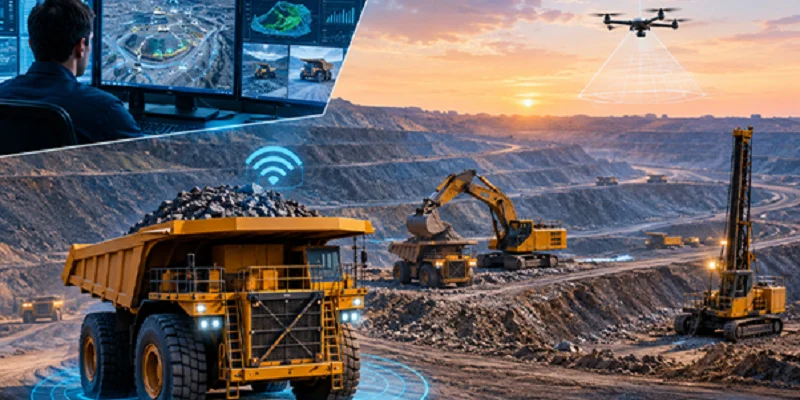
The mining industry has never been an easy business. Every ton of ore pulled from the ground has always come at the cost of time, money, risk, and enormous mechanical effort. But if you've watched this sector over the past decade, you've probably noticed something: it's changing faster than most people outside the industry realize. Diesel-belching haul trucks are being replaced by driverless machines. Engineers are monitoring entire pits from air-conditioned control rooms hundreds of miles away. And equipment that once needed constant human babysitting now practically runs itself.
This shift isn't happening because mining companies suddenly fell in love with technology for its own sake. It's happening because the old way of doing things - more labor, more diesel, more downtime - simply doesn't work anymore in a world where ore grades are declining, safety expectations are rising, and margins are getting tighter every year. Mining equipment innovations have become less of a competitive advantage and more of a survival requirement.
Let's dig into what's actually changing on the ground, why it matters, and where this is all headed.
Why Mining Equipment Innovation Matters Right Now
Here's the uncomfortable truth about resource extraction: the easy deposits are mostly gone. Mining companies today are digging deeper, processing lower-grade ore, and operating in more remote and hostile environments than ever before. That means the old equipment and workflows that got the job done in the 1990s simply can't keep pace with modern demands.
At the same time, labor shortages in skilled trades, rising fuel costs, and increasingly strict safety regulations are squeezing operators from every direction. This is exactly the pressure cooker that has pushed mining technology from a back-office concern into a boardroom priority. Companies that invest in advanced mining equipment aren't just chasing efficiency for bragging rights — they're protecting their bottom line and, frankly, their license to operate.
The Rise of Mining Automation
If there's one theme tying together nearly every major shift in the industry, it's automation. Mining automation isn't a single technology - it's a whole ecosystem of sensors, software, and machinery working together to reduce the need for constant human intervention.
Think about what a modern automated mine looks like. Trucks navigate haul roads using GPS and LiDAR without a driver behind the wheel. Drills position themselves with millimeter precision based on geological data fed directly into their control systems. Conveyor systems adjust their speed automatically based on real-time load sensors. None of this happened overnight - it's the product of years of incremental engineering, but the pace of adoption has accelerated dramatically in the last five years.
What makes automation so appealing isn't just the "wow factor" of watching a truck drive itself. It's the measurable outcomes: fewer accidents, more consistent output, and equipment that runs closer to its true operational limits without the fatigue-related errors that come with human operators working long shifts in harsh conditions.
Autonomous Mining Equipment: From Novelty to Necessity
A few years ago, autonomous mining equipment was mostly a pilot project - something big players tested in isolated corners of massive open-pit operations to see if the technology could actually hold up. That experimental phase is largely over. Autonomous haul trucks, drill rigs, and loaders are now standard offerings from major original equipment manufacturers, not custom-built prototypes.
What's driving this shift from novelty to necessity? A few things stand out:
- Safety - Removing operators from high-risk zones like blast areas, unstable slopes, and repetitive haul routes directly reduces injury rates.
- Consistency - Autonomous systems don't get tired, distracted, or impatient. They follow optimized routes and load patterns every single time.
- Utilization - Machines that don't need shift changes, breaks, or rest periods can operate closer to 24/7, dramatically increasing productive hours.
- Data generation - Every autonomous machine is also a rolling sensor platform, feeding operational data back into planning systems in real time.
The interesting part is how these systems are evolving beyond simple point-A-to-point-B navigation. Modern autonomous mining systems in automation environments are increasingly capable of making dynamic decisions - rerouting around obstacles, adjusting speed for weather conditions, and even coordinating with other autonomous units to avoid bottlenecks at loading points, all without a human dispatcher stepping in.
Mining Machinery Efficiency: What's Actually Changed
It's easy to talk about automation and technology in abstract terms, but let's get specific about what's actually improving mining machinery efficiency on real sites.
Smarter Fleet Management
Fleet management systems now use predictive analytics to schedule maintenance before a breakdown happens, rather than reacting after equipment fails. This alone has slashed unplanned downtime at many operations, since a single unexpected failure on a haul truck or shovel can cost tens of thousands of dollars in lost production per hour.
Electrification of Heavy Equipment
Diesel engines have long been the backbone of mining machinery, but electric and hybrid-electric equipment is gaining serious ground. Battery-powered loaders and trucks reduce fuel costs, cut emissions in underground operations where ventilation is a major expense, and require less mechanical maintenance since electric drivetrains have fewer moving parts than combustion engines.
Real-Time Condition Monitoring
Sensors embedded throughout modern equipment - tracking everything from hydraulic pressure to tire temperature - feed data into centralized dashboards. Operators and maintenance teams can spot early warning signs of wear long before they become costly failures, extending the usable life of expensive machinery.
Precision Drilling and Blasting
Advanced drill rigs now use geological modeling to place holes with far greater accuracy, which improves blast fragmentation. Better fragmentation means less energy spent crushing and grinding downstream, which is one of the most energy-intensive stages of the entire mining process.
Each of these improvements might sound incremental on its own, but stacked together, they represent a fundamental shift in how efficiently a modern mine can operate compared to one from even ten years ago.
Efficient Mining Machinery Automation Solutions in Practice
Talking about automation in theory is one thing - seeing how efficient mining machinery automation solutions actually play out on a working site is where the real value becomes clear.
Take autonomous drilling as an example. A modern drill rig equipped with automation software can analyze rock hardness in real time and adjust drilling parameters on the fly, something that would be nearly impossible for a human operator to do with the same consistency across hundreds of holes per shift. The result is fewer broken bits, more consistent hole depth, and significant savings on both time and consumables.
Or consider automated ore sorting systems, which use sensors and machine vision to separate valuable material from waste rock before it even reaches the processing plant. This single innovation can dramatically cut the amount of material that needs to be crushed, ground, and chemically processed - saving energy, water, and money simultaneously.
These aren't hypothetical case studies dreamed up by equipment vendors. They're operational realities at mines around the world, and the companies that have adopted them are seeing tangible returns that are hard to ignore.
Challenges Standing in the Way
None of this is to suggest that adopting mining equipment innovations is simple or without friction. Several real challenges continue to slow adoption:
- High upfront capital costs for autonomous fleets and supporting infrastructure like communication networks and control centers
- Workforce transition concerns, as roles shift from operating machinery to monitoring and maintaining automated systems
- Cybersecurity risks, since connected equipment introduces new vulnerabilities that didn't exist with purely mechanical machines
- Remote and rugged environments that can strain the reliability of sensors, connectivity, and GPS-dependent systems
These are legitimate hurdles, and no responsible operator should treat automation as a plug-and-play solution. But the trend line is unmistakable: companies that address these challenges head-on are pulling ahead of competitors still relying on legacy equipment and manual processes.
What's Next for Mining Technology
Looking ahead, the next wave of mining technology is likely to blend automation even more deeply with artificial intelligence and predictive planning. Expect to see:
- AI-driven mine planning that adjusts extraction sequences in near real time based on market prices and ore quality
- Greater use of digital twins, allowing engineers to simulate equipment performance and site conditions before committing resources
- Expanded electrification as battery technology continues to improve energy density and reduce charging times
- Tighter integration between autonomous surface and underground fleets, creating more seamless end-to-end automated operations
The mines of the next decade will look less like industrial worksites of old and more like highly coordinated, data-driven operations where machines handle the repetitive, dangerous, and precision-critical work, while human expertise focuses on strategy, oversight, and problem-solving.
Final Thoughts
The story of mining machinery today isn't just about bigger trucks or shinier drills - it's about a fundamental rethinking of how resource extraction gets done. From mining automation and autonomous mining equipment to smarter fleet management and electrification, every innovation is aimed at the same core goals: extracting more value with less waste, fewer risks, and greater consistency.
For an industry that has historically been slow to change, the pace of transformation right now is genuinely remarkable. Companies that lean into these innovations aren't just improving their quarterly numbers - they're setting the standard for what safe, efficient, and sustainable mining looks like for decades to come.
 Our Services
 Media Pack Download
 Newsletters
 Industrial Events