How Cloud Computing is Transforming Plant Automation and Data Management?
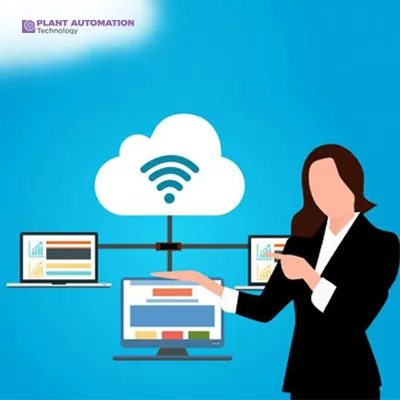
Over the years, cloud computing has transformed many industries, operation systems and recently industrial automation systems. Thus, the adaptation of cloud technology in industries has proven to be a major change in data handling and the digital revolution. This article aims at comprehending the different ways through which the use of cloud computing parameter is changing automation in plants especially in terms of benefits, risks, and its aptness in revamping Distributed Control Systems (DCS).
Cloud Computing in Industrial Automation Systems
Cloud computing has become the epitome in industrial automation systems and has acted as a catalyst in improving the functionality of those systems. Cloud technology in industrial automation systems gives an opportunity for remote control and observation of automation processes, and it was not an on-premise style. Remembering the fact, it can be stated that flexible and rather cost-effective models can be achieved through the industries in the frame of applying cloud computing and its features for automation.
Impact of Cloud Computing on Automation DCS
Concisely, this article attributes a significant influence of cloud computing on the automation DCS. The pull and merge architectures of cloud computing allows the main components of a DCS to be incorporated on cloud. This change also helps in achieving online access to data, increasing the dependability of systems, and refining the decision-making. The migration to a cloud computing environment plays a role in avoiding the shortcomings of the typical DCS deployments where the maintenance expenses can be high and scaling is restrained.
Cloud Computing and Data Management
Over the years, the cloud computing has been attributed as a very huge contribution especially in data management. With the use of cloud computing, there are many reasons as to why data management is made easy such as: central storage of data, real time data analysis, and enhanced data security. Cloud computing supports the data transformation objectives by offering a means of affording large storage and state-of-art analytic techniques. This paradigm shift of managing data is very important for enabling digital transformation initiatives in industrial processes and systems.
| Also Read: Cloud vs. Edge Computing: Choosing the Right Solution for Manufacturing |
Role of Industrial Cloud Computing Technology
The role of industrial cloud computing technology is not limited to data storage only. It includes the capability of executing high-level algorithms, computational support for analytics, and prognosis of equipment failure. When cloud computing is incorporated with industrial automation systems, the organizations are in a position to experience the numerous advantages of cloud computing in the improvement of these automation systems, decrease in down time together with general improvement of system efficiency.
Problems of Automated Systems in the Industry
Nonetheless, some of the challenges are anchored in cloud computing in industrial automation systems and are as follows. In the industry, several issues often affect automated systems which are the data security issues, the latency and the integration issues. Solving these issues is possible if one shall develop a correct and effective method of integrating confining technology into the cumulus system.
Cloud Computing Impact on Industrial Automation
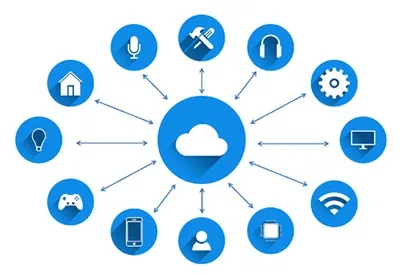
It is very evident that cloud computing has made radical changes to industrial automation and its processes. And it allows industries to migrate from mature and earlier-stage structural models such as on-premise to advanced cloud computing models. Hence, there is a transition towards better system performance, greater conduciveness to data access and easier means of handling intricate automations.
Cloud Computing is Transforming Data Management
Cloud computing as a service model is revolutionizing the management of data through new ways of storing, processing, and analyzing data. The scalable storage of data in a remote location and making it easily accessible increases efficiency while making decisions as well as the functioning of operations. Data transformation delivered on cloud platforms helps industries to make more out of their data and put it to productive use.
Industrial Automation as a Cloud Service
Industrial automation as a cloud service is therefore a new concept in the provision of automation solutions. It, therefore, provides organizations with an opportunity to obtain industrial automation system and services through the cloud, rather than requiring a lot of physical infrastructure. Introducing industrial automation as a cloud service can also offer to deal with lower capital costs, quicker implementation, and better flexibility.
Digital Revolution and Cloud Computing Benefits
Cloud computing has boosted the innovation and practical implementation of the digital revolution. As previously discussed, there is the advantage of cloud computing in the automation of industries in all the costs, level of growth, and general effectiveness. Subsequently, as businesses press on with the use of cloud technology, the impact of cloud computing will be evidently realized.
Conclusion
The concept of cloud computing is now gradually reshaping the environments of plant automation and data management. Different benefits of cloud technology implementation in industrial automation systems include the following: enhanced scalability, improved data management, and greater operational efficiency.
Given the industries’ ongoing journeys through this digital transformation era, the position that cloud computing is poised to play in the revolution of automation and data management will only become more defining as time goes on. The consideration of the cloud computing impact on industrial automation shows the changing nature of the industrial sector to adapt to cloud technology thus improving competitive advantage and innovation within the industrial market.
 Our Services
 Media Pack Download
 Newsletters
 Industrial Events