Top 10 Challenges Facing the Industrial Automation Industry Today

Industrial automation activates production and manufacturing operations through technology advances speeding operations and driving cost efficiency and enhanced accuracy. The implementation of productivity gains along with cost savings during industrial automation meets obstacles in maintaining these advantages. This article examines the ten primary difficulties within industrial automation along with key industry transformations and manufacturing hurdles alongside current solutions.
1. Industrial Automation Cybersecurity: Securing Smart Systems
The expansion of industrial IoT in connected systems has provoked substantial growth in cyber security threats. Cybersecurity problems in industrial networking systems enable hackers to trigger financial damage while impeding manufacturing operations and exposing sensitive data to unauthorized access. The protection of infrastructure stands as a primary industrial automation obstacle because our systems continue to expand their network connections.

To secure their systems industries need to develop strong cybersecurity systems while keeping their software updated with real-time monitors for threat detection. The expansion of digital operations across international borders demands complete solutions for global automation challenges especially for handling data security concerns.
2. Industrial Automation Cost Barriers: High Initial Investments
Small and medium-sized enterprises (SMEs) face obstacles to automating their operations because initial investments in automation infrastructure are expense-intensive. Investments in advanced machinery along with regular automation system maintenance expenses result in expensive total costs. Large organizations face difficulties managing the profitability level with their technology adoption strategies.
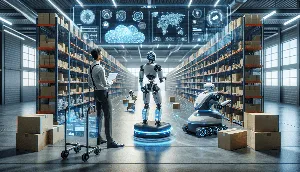
To make industrial automation costs more manageable we need flexible rejection solutions that scale and modularize. Wider adoption of automation would be possible because flexible financing alternatives combined with government subsidy programs work to reduce financial barriers.
3. Manufacturing Automation Barriers: Legacy Systems and Integration
Manufacturers face a major challenge when they try to integrate modern automation systems into their aging legacy installation infrastructure. The inability of legacy equipment to be updated with contemporary software and hardware applications produces production delays and operational inefficiencies.

To grasp automation industry trends successfully all sectors have to develop smooth integration capabilities. The deployment of Internet of Things sensors along with platform investments for multi-machine management helps overcome these obstacles.
4. Automation Workforce Challenges: Bridging the Skills Gap
Implementing automation systems requires engineering professionals who master programming techniques alongside expertise with robotics and system oversight capabilities. The lack of skilled professionals stands as a major barrier which worsens existing workforce problems in automation.

Training programs which teach emerging technologies such as advanced robotics and industrial IoT need joint implementation by educational institutions and industries. Education-based training workshops along with certificates established for current employees help solve the increasing lack of qualified personnel.
5. Energy Efficiency in Automation: Balancing Performance and Sustainability
The environmental need to sustain industrial automation sectors has made energy conserving operations an essential business requirement. Industrial robotics coupled with automation systems commonly emit high energy consumptions that escalate operational spending as well as greenhouse gas output.
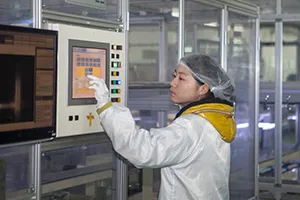
The development of power optimization technologies through AI-driven energy management systems constitutes a major part of addressing energy efficiency needs in automation. To achieve sustainable manufacturing operations existing industries must investigate renewable technologies that can provide energy for their automated setups.
6. Industrial IoT Hurdles: Overcoming Connectivity and Security Issues
IoT implementation in industrial automation enables novel advancements that bring predictive maintenance applications and real-time data analytics capabilities. The implementation of industrial IoT faces three primary challenges involving interconnectedness issues in addition to privacy complications and costly deployment needs.
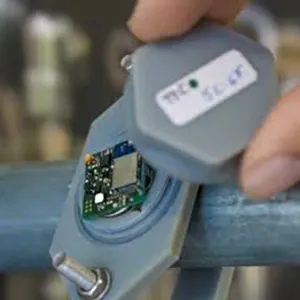
The successful implementation of standardized communication standards and device interoperability creates essential solutions to these problems. Success for industries confronting worldwide automation problems requires essential collaborative efforts between IoT solution providers and manufacturers.
7. Advanced Robotics Limitations: Addressing Flexibility and Scalability
The manufacturing industry benefits greatly from advanced robotics but this technology remains restricted by its limitations. Due to design limitations robots do well at single-purpose substantial work yet they find difficulty in working in unpredictable physical systems. The development and deployment of these technologies requires substantial financial investments which present an important challenge.
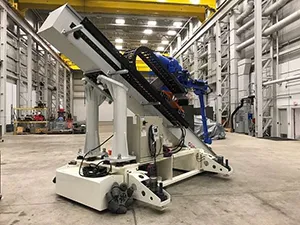
Research teams develop robots that show enhanced interpretive functioning and adaptive responses to overcome current manufacturing operational limitations. Current robotics development emphasizes the rise of cobots which can operate with human employees in industrial settings.
8. Regulatory Issues in Automation: Navigating Compliance
Every production automation system must follow the guidelines established through safety regulations together with environmental and operational requirements. The implementation of automation worldwide becomes complex due to inconsistent regional regulatory frameworks which produce automation regulatory problems.

Businesses need to maintain awareness of current local as well as international regulatory framework requirements for operational compliance. Policy reduction together with safety rule definitions from governments represent necessary steps to speed up innovation processes without neglecting safety protocols.
9. Automation System Maintenance: Reducing Downtime
Maintaining automation systems remains essential because abrupt system breakdowns generate substantial financial losses from system downtime.
The reliability of intricate equipment systems stands as a primary test for industrial automation while systems continue to evolve into advanced designs.

Through combinations of IoT sensors along with Artificial Intelligence predictive maintenance systems decrease system downtime. System maintenance for automation requires consistent training of technical personnel which ensures operational consistency.
10. Emerging Technologies in Automation: Adoption Barriers
AI together with machine learning technologies have joined 5G technology to transform automation as we know it. The implementation of emerging technologies for automation demands resolving challenges in existing system interoperability while requiring substantial expense and technical personnel who can manage these systems.

These advanced technologies need industrial funding for research and development work to achieve effective integration. Implementation of pilot programs reveals operational obstacles which help teams plan ahead for increased production.
Solutions and Future Outlook
To overcome these industrial automation challenges, industries need a multi-pronged approach:
1. Fostering Innovation: Businesses need to adopt innovative approaches related to automation industry trends that enhance operational efficiency together with sustainability practices.
2. Addressing Workforce Needs: Companies seeking to address workforce problems linked to automation systems should create training initiatives which assist employees in closing skill gaps.
3. Enhancing Cybersecurity: Protecting connected systems should be your top priority because it helps reduce industrial IoT challenges and cybersecurity risks.
4. Sustainability Goals: The pursuit of sustainable industrial automation requires maximizing automation energy efficiency, while implementing renewable energy systems.
Rapid evolution in the automation landscape depends on how well industry beats currently facing challenges to establish its future capacity to thrive and adapt. The successful attainment of long-term success through manufacturing requires manufacturers to implement innovative solutions during their navigation of global automation challenges.
To smoothly transition toward a highly automated landscape, businesses must address these critical aspects which will establish their enduring market positioning.
 Our Services
 Media Pack Download
 Newsletters
 Industrial Events