Emerging Technologies Driving Industry 4.0
What is Industry 4.0 and Why Is It Revolutionary?
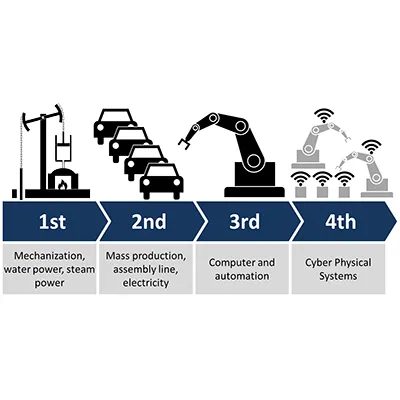
The fourth industrial revolution known as Industry 4.0 forms an ongoing transformation of modern manufacturing environments. What elements create the substantial influence of this event? The smooth amalgamation of digital and physical operations arises from developing emerging technologies. Modern factories are becoming intelligent and connected and automated because manufacturers use advancement from smart manufacturing solutions and industrial automation systems and artificial intelligence integration.
These technologies have shifted manufacturing operations which methods bring these changes to industry? So many manufacturers invest substantial funds in digital transformation trends and cloud-based factory software despite which factors encourage this movement? Research about each technology along with their substantial contributions will give us the answers.
Smart Manufacturing Solutions: The New Age of Productivity
A factory system capable of thinking about things represents a concept that defies imagination. The core principle of smart manufacturing solutions is what they provide. The systems communicate large data sets through automated decision-making processes to improve production effectiveness. Manufacturers enhance supply-demand flexibility as well as maintain equipment status through real-time analytics which also enables them to optimize operational workflows.

Smart manufacturing solutions establish data-based decisions to replace traditional planned inspections within manufacturing operations. The result? The production methods deliver both lowered expenses and superior products in combination with accelerated delivery timelines. These production systems succeed because of their manufacturing connectivity which delivers capacity that was impossible before.
Industrial Automation Systems: The Backbone of Modern Factories

The time has passed when automation systems displayed just robotic arms working on assembly lines. The modern industrial automation technologies merge between hardware machines and software systems with artificial intelligence algorithms perform intricate operations while needing less human operator involvement.
What sets them apart? Industrial production utilizes robotic systems that work with connected sensors and machine learning programs. Optimal production efficiency, safety assurance and real-time environmental response function from the integrated operation of these technologies. The competitiveness of industrial automation systems has become essential for remaining successful in modern quickly changing business markets.
Digital Transformation Trends: More than Just a Buzzword
The real implications of digital transformation within manufacturing remain nebulous to most people. Makers need to establish virtual versions of their physical properties while implementing cloud aspects into factory applications and maintaining unified data exchanges from factory floor upward. Digital transformation trends now enable small to mid-sized enterprises to obtain industrial capabilities originally accessible only to industry giants.
The use of industrial IoT platforms has made machines and systems reach unprecedented levels of interconnection. This data infrastructure uses AI-powered analytics to process information from these platforms which enables organizations to develop fast and knowledgeable decisions for their business operations.
Predictive Maintenance Tools: Can Machines Predict Their Own Failure?

Yes, they can - and they do. Predictive maintenance tools stand as one of the greatest industrial value additions in Industry 4.0. Sensor networks generate advanced input which predictive tools use to evaluate vibrations and pressures and temperatures for anticipated machine failure times.
The predictive function enables maintenance personnel to intervene ahead of equipment breakdowns thus minimizing equipment downtime. Predictive maintenance tools optimized with machine learning applications boost accuracy levels so companies obtain a strong method for stretching equipment longevity and minimizing surprise expenses.
Artificial Intelligence Integration and Machine Learning: Smarter Than Ever

Artificial intelligence integration brings more to operations than automated systems because it represents capable intelligent systems. Self-learning systems as well as adaptive and self-optimizing systems now represent typical technology implementations. When AI links with machine learning applications it becomes able to detect production problems while foreseeing market behaviors to enhance optimization across all manufacturing phases.
Industrial AI implementation enables machines to perform thorough examinations as well as spot manufacturing failures and conduct adaptable supply chain choice management. The systems process each new dataset to gain intelligence which represents a transition from program-controlled operations into learning capabilities.
Industrial IoT Platforms and Real-Time Data Analytics: The Nervous System of Industry 4.0

Industrial IoT platforms maintain the unified connection between all factory devices that interoperate. The platforms acquire factory data in real time for organization and simultaneous transmission which enables complete factory operation visibility.
Real-time data analytics produces insights that assist manufacturers to execute swift decisions using data which advances their speed and flexibility.
Low tech platform integration of industrial IoT enables information to move without interruption from equipment to divisions and between different areas. The operational synchronization allows smart factories to reach maximum efficiency throughout 24-hour operations.
Robotics in Manufacturing: Evolving Beyond Repetition
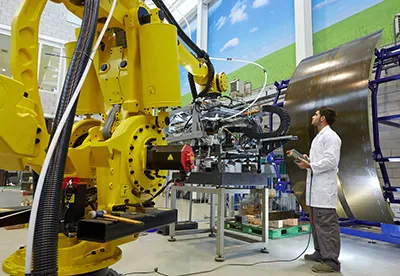
How intelligent have robots become? Very. Industrial robots in contemporary manufacturing possess computer visual and voice detection and cognitive processing abilities. These automated systems now work together with humans instead of functioning as basic industrial workers.
Manufacturers achieve automated intricate task processing while maintaining high product quality standards when they unite artificial intelligence with robotics in their production lines. The robots respond to their human partners to reduce workplace hazards and maximize operational output.
Cloud-Based Factory Software: The Digital Control Center

The modern manufacturing sector abandoned traditional server infrastructure and now operates their operations through cloud-based methods. The implementation of cloud-based factory software enables organizations to unify system control while receiving real-time system data and to distribute resources optimally. The platform allows users to monitor operational data through any device either from a remote workstation or within the plant facility.
Cloud-based factory software remains crucial because it helps bring digital transformation approaches into factories while establishing IoT infrastructure links and promoting modern cyber-physical technology integration. The technology stands out because it combines speed with scalability together with security features which represent essential requirements in modern production facilities.
Cyber-Physical System Upgrades: The Digital Mirror of the Physical World

Machines equipped with real-time communication capability between themselves and digital twin representations make up an imaginable scenario. Upgraded cyber-physical systems offer the main promise of these improvements. The systems establish connections between physical assets and digital control methods via duplicate monitoring environments.
Manufacturers implementing cyber-physical system upgrades gain the ability to conduct process simulations and make modifications that allow them to develop improvements without interrupting production run. Cyber-physical systems combine their capabilities with manufacturing intelligence tools to enhance operations while learning continuously for enhanced outcomes.
Immersive Technologies: Augmented and Virtual Reality Take the Stage

Augmented reality tools assisted you during a machine repair process. Do you get training through virtual reality which builds scenarios similar to real-world occurrences?
Immersive technologies now revolutionize how people connect with electronic machines through their interfaces.
The application of augmented reality tools adds vital information that technicians need to perform accurate adjustments on their physical equipment. Laboratory-based virtual reality systems train personnel to complete advanced operations without exposing them to genuine danger. The combined tools decrease the period necessary to learn tasks while minimizing mistakes in operations.
3D Printing Techniques: Redefining Production Flexibility
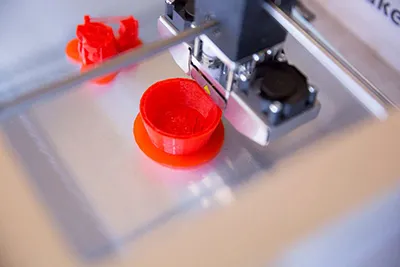
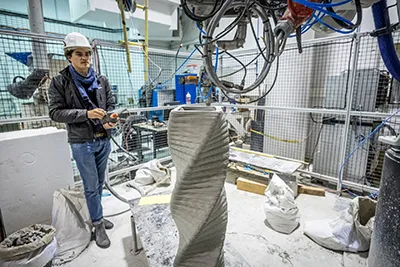
The hours required to print a part surpass the traditional wait time of weeks for manufacturing purposes because of 3D printing techniques. The techniques of 3D printing now transform the methods through which manufacturers develop new products including individualized components as well as quick prototype development.
The shift enhances both smart manufacturing solutions and digital transformation trends and allows businesses to manufacture products when needed through efficient waste reduction procedures. Technology growth in materials and printers opens up uncountable prospects.
The Future: What Lies Ahead for Industry 4.0?
The extent to which manufacturing companies can perform is limited only by their available potent tools. The journey is just beginning. Fabrication facilities powered by industrial artificial intelligence will achieve self-healing capabilities along with self-optimization functions while also gaining the ability to self-design items.
A unified system of robotics in manufacturing and cloud-based factory software and predictive maintenance tools enables zero-defect production in the same world. Or where augmented reality tools and virtual reality training blend digital skill-building with real-world expertise. Various opportunities with remarkable promise lie ahead.
Industrial revolution 4.0 exists as a progressive movement that keeps evolving forward. The adoption of emerging technologies by organizations will enable them to direct the path toward a modern and resilient future that operates faster with superior efficiency. Where does your factory stand as one of the future facilities?
 Our Services
 Media Pack Download
 Newsletters
 Industrial Events