Construction Equipment Suppliers Meeting the Demands of Modern Infrastructure Projects
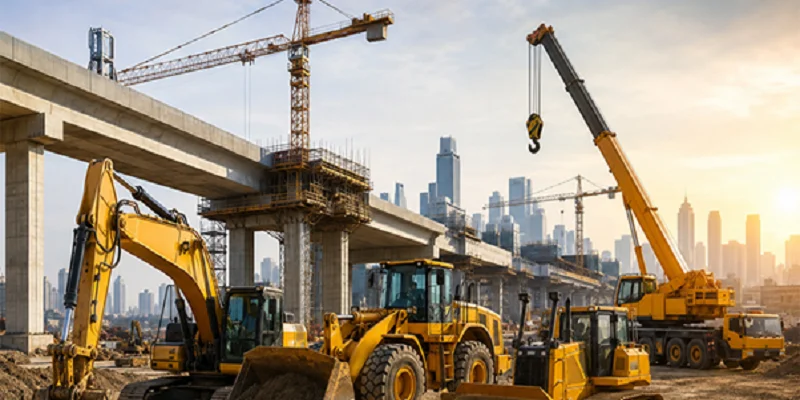
Infrastructure is being built faster, bigger, and smarter than at any point in the last few decades. Highways are expanding to handle growing traffic, cities are racing to modernize aging utilities, and entire new districts are rising to house shifting populations. Behind every one of these projects sits a network of construction equipment suppliers working quietly to make sure the right machine shows up at the right site, at the right time.
It's easy to overlook this side of the industry. Contractors get the credit for finished bridges and buildings, but none of that happens without dependable construction machinery and the suppliers who keep it running. As projects grow more complex, these suppliers have had to evolve just as fast as the infrastructure they support.
Why Infrastructure Projects Are Placing New Demands on Equipment Suppliers
Modern infrastructure work isn't what it was fifteen years ago. Timelines are tighter, budgets are watched more closely, and environmental regulations have become far stricter. A single delay in equipment delivery can ripple through an entire project schedule, costing contractors real money and reputation.
This has pushed infrastructure equipment suppliers to rethink how they operate. It's no longer enough to have a large inventory sitting in a yard somewhere. Suppliers now need to offer speed, flexibility, technical support, and increasingly, digital tools that help contractors plan and manage equipment usage in real time.
A few forces are driving this shift:
- Urban expansion is creating demand for compact, maneuverable machines that can work in tight city spaces.
- Government infrastructure spending on roads, rail, and utilities is fueling large, multi-phase projects that need consistent equipment access over years, not months.
- Sustainability requirements are pushing suppliers toward electric and hybrid machinery.
- Labor shortages mean equipment needs to do more with fewer skilled operators, which is where automation and smart features come in.
Suppliers who understand these pressures are the ones winning long-term contracts, while those still operating the old way are falling behind.
The Role of Heavy Construction Equipment in Large-Scale Projects
There's no substitute for raw capability when it comes to major infrastructure work. Heavy construction equipment—excavators, bulldozers, cranes, wheel loaders, and backhoe loaders—remains the backbone of any large project. Digging foundations, moving earth, lifting steel beams, and clearing sites all depend on machines built to handle punishing conditions day after day.
What's changed is how this equipment is sourced and maintained. Contractors used to buy machinery outright and keep it for a decade or more. Today, many prefer renting or leasing from suppliers who handle maintenance, upgrades, and replacements. This shift lets construction firms access newer, more efficient machines without tying up capital that could be used elsewhere on the project.
Reliable suppliers also understand that heavy equipment downtime is one of the costliest problems in construction. A crane that breaks down mid-project doesn't just delay one task; it can stall an entire crew. That's why the best suppliers now build predictive maintenance schedules and keep spare parts readily available, rather than waiting for something to fail.
How Smart Construction Equipment Is Changing the Game
Perhaps the biggest shift in this space has been the rise of smart construction equipment. Machines today are increasingly fitted with GPS tracking, telematics, sensors, and even AI-assisted controls that were unheard of a generation ago.
What does "smart" actually mean on a job site? A few practical examples:
- Telematics systems that let fleet managers monitor fuel usage, engine health, and machine location from a phone or laptop.
- Automated grading and leveling on bulldozers and excavators, which reduces material waste and improves accuracy.
- Remote diagnostics that flag mechanical issues before they cause a breakdown, cutting unplanned downtime significantly.
- Operator-assist technology that helps less-experienced workers run machinery safely, addressing the ongoing skilled-labor gap.
This technology isn't just a nice-to-have anymore—it's becoming a baseline expectation. Contractors bidding on public infrastructure contracts are increasingly required to show they're using equipment that meets emissions standards and reporting requirements, and smart machinery makes that documentation far easier to produce.
Suppliers who've invested early in smart equipment fleets are seeing a clear payoff. Contractors are willing to pay a premium for machines that reduce risk, improve efficiency, and generate the data needed for compliance reporting.
What Makes a Great Supplier for Infrastructure Projects
Not every supplier is built for the scale and pressure of infrastructure work. There's a real difference between a general equipment rental shop and specialized construction equipment suppliers for infrastructure projects. The latter understand permitting timelines, government contract requirements, and the sheer logistical complexity of moving heavy machinery across large, multi-site projects.
Here's what separates the suppliers that infrastructure contractors actually want to work with:
1. Fleet depth and variety. Large projects rarely need just one type of machine. A supplier needs excavators, graders, pavers, compactors, and cranes all available, often across multiple sites simultaneously.
2. Fast turnaround on delivery and repair. Infrastructure schedules don't have much slack built in. Suppliers that can get equipment on-site within days, not weeks, and fix problems on-site rather than requiring a shop visit, earn repeat business.
3. Technical and operational support. The best suppliers don't just drop off a machine and leave. They train operators, offer on-call technical support, and help contractors choose the right equipment for the job's specific soil conditions, load requirements, or terrain.
4. Financing flexibility. Whether it's rental, lease-to-own, or outright purchase, suppliers that offer multiple financing paths make it easier for contractors to manage cash flow across long project timelines.
5. Compliance and safety documentation. Government infrastructure contracts often require proof that equipment meets emissions and safety standards. Suppliers who can produce this documentation quickly save contractors a significant administrative burden.
How Suppliers Meet Modern Construction Equipment Demand
So how are suppliers actually keeping up with all of this? It comes down to a mix of smarter operations, better technology, and closer relationships with the contractors they serve.
Diversifying fleets to match project variety. Suppliers are no longer stocking equipment for a single type of job. A supplier serving infrastructure clients needs equipment for road building, utility work, bridge construction, and site preparation all at once. This means broader, deeper inventories than in the past.
Investing in predictive maintenance. Rather than reacting to breakdowns, leading construction machinery suppliers now use sensor data to schedule maintenance before a failure happens. This keeps machines on-site longer and reduces the emergency repair calls that used to eat into project timelines.
Building regional supply networks. Instead of relying on one central depot, suppliers are setting up regional hubs closer to major infrastructure corridors. This cuts delivery times dramatically and makes it easier to swap out equipment quickly if something goes wrong.
Offering equipment-as-a-service models. More suppliers are moving toward subscription-style arrangements where contractors pay for guaranteed access to a rotating fleet of well-maintained machines, rather than owning or renting individual units. This spreads risk and keeps equipment fresher.
Partnering with manufacturers on custom specs. For large infrastructure clients with recurring needs, some suppliers now work directly with manufacturers to spec out machines suited to specific project types, whether that's high-altitude road work or dense urban utility installation.
Together, these strategies let suppliers keep pace with a construction industry that's simply moving faster than it used to.
Frequently Asked Questions
What are construction equipment suppliers, and why do infrastructure projects rely on them?
They are companies that supply, rent, lease, or maintain the machinery contractors use to build roads, bridges, utilities, and other infrastructure. Projects rely on them because most contractors can't afford to own every machine type needed for large, varied jobs.
What's the difference between heavy construction equipment and general construction machinery?
Heavy construction equipment usually refers to large-scale machines like excavators, cranes, and bulldozers used for major earthmoving and lifting tasks. Construction machinery is a broader term that also includes smaller tools and equipment used across various phases of a build.
Why is smart construction equipment becoming so important?
It reduces downtime, improves accuracy, and helps contractors meet regulatory and reporting requirements more easily. On infrastructure projects with tight timelines, that combination translates directly into cost savings.
How do I choose the right supplier for a large infrastructure project?
Look for fleet depth, fast delivery and repair times, strong technical support, flexible financing options, and the ability to produce compliance documentation quickly.
Are suppliers moving away from traditional equipment sales?
Many are, in favor of rental, lease-to-own, and subscription-style models that give contractors more flexibility and reduce upfront capital costs.
Final Thoughts
The suppliers powering today's infrastructure boom look very different from those of a decade ago. It's no longer just about having machines available—it's about pairing heavy construction equipment with smart technology, fast logistics, and genuine technical partnership. As infrastructure spending continues to grow and project timelines keep tightening, the suppliers who invest in flexibility, data, and service will be the ones contractors turn to again and again.
For contractors evaluating their options, the takeaway is simple: the right supplier isn't just a vendor. They're a partner whose reliability can make or break a project's timeline, budget, and long-term success.
 Our Services
 Media Pack Download
 Newsletters
 Industrial Events