Robots on the Assembly Line: Benefits and Challenges of Automation in Manufacturing
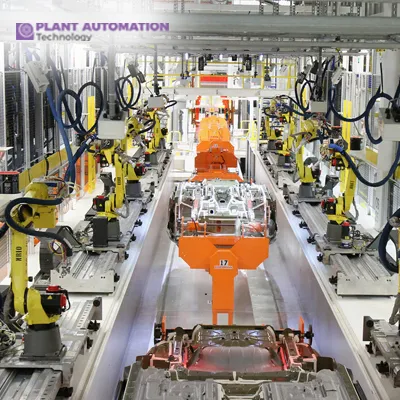
Among the biggest and most productive changes occurring in manufacturing systems in the present generation is the incorporation of robots into assembly lines. This shift reveals (and thus exposes) an array of advantages of automation in producing and design issue in robotic for factory automating. To the industrial sector that may wish to venture into the change, the following should give them an insight of the strengths and weaknesses of manufacturing automation.
The Role of Automation in Industry 4.0
Automated production is one of the analytic clusters of Industry 4.0, it in fact reflects the smart manufacturing concept that was adopted by using smart technologies efficient automations. However, there are many associated problems with automating production line in a manufacturing firm. Automation industry brings a significant value when it comes to manufacturing since it adds efficiency, minimizes human influence and enhance production capacities. Manufacturers have managed to optimize their operations since robots have been introduced in the automation of such processes through the integration of artificial intelligence to the automation processes.
5 Levels of Automation in Manufacturing
It’s easier to appreciate the general state of robotic automation in manufacturing or any other sector when the 5 levels of automation in manufacturing are explained. These levels range from fully manual processes to fully automated systems, allowing companies to implement automation gradually:
1. Manual Operations: All work processes are done manually by human workers.
2. Assisted Operations: Technology provides support to human employees on how they should perform their tasks.
3. Partial Automation: Some operations are done by robots with supervision from the human executives.
4. Conditional Automation: Automated robots are able to function independently in specific environments, however in some circumstances they require guidance of human.
5. Full Automation: Use of robots apply fully automated systems of production without the human interferences but they use technologies such as artificial intelligence in manufacturing automation.
This hierarchy will allow companies to estimate their capacities and forecast vital improvements in robotic process automation in manufacturing.
Advantages of Automation in Manufacturing
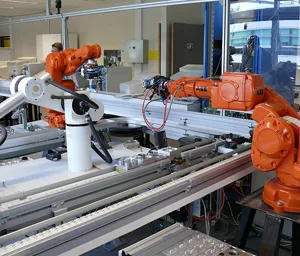
It is well understood that, there are many benefits associated with the application of automation in the manufacturing process. Companies that adopt robotic automation in manufacturing can experience:
1. Increased Productivity: It is understood that robots can work for long uninterrupted hours, and thus are capable of raising the output rate highly.
2. Consistency and Quality: Such process minimize the amount of variation in that particular product hence improving on the quality of the end product.
3. Cost Savings: Conventional costs are relatively high at the start of implementation, but the future gains from less human labor and reduced errors are appreciable.
4. Safety Improvements: Working robots are capable of executing risky operations and therefore minimizing on accidents in work places.
5. Scalability: Automated systems can work effectively in large or small scale depending on the number of people that require to be served.
Thus, this social advantage of automation coupled by the rest that have already been elaborated, offer a persuasive argument for the adoption of manufacturing system, especially when tapping into a globally competitive environment.
Challenges in the Industrial Automation Sector
Despite the numerous benefits of automation in manufacturing, however, there are many associated problems with automating production line in a manufacturing firm that must be addressed:
1. High Initial Costs: Robotic process automation on the other hand is very expensive especially for manufacturing hence this is a big challenge that faces small manufacturing units.
2. Integration Difficulties: It is often a complicated business to integrate new technologies into existing systems and practice.
3. Workforce Resistance: The threat of automation might make the workers lose their jobs hence they will resist change for new technologies.
4. Skill Gaps: The acquisition and implementation of intelligent abilities also present the problem of having few people to implement and operate the systems when they are in place.
The above are the given disadvantages of automation in manufacturing; they are important factors for organization when deciding to automate their systems.
Trends in Intelligent Robotics Automation and Manufacturing
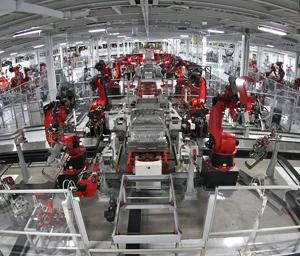
This is main reason why intelligent robotics automation and manufacturing trend is continually changing due to technological developments. Industry partners are shifting to using cobots, or the robots that may share the workplace with employees, boosting efficiency without eradicating employment concerns. Besides, in the case of manufacturing automation, artificial intelligence is enabling robots to learn from the conditions present in the environment and changing their functionality according to the current state.
How Industrial Robots Are Used in Automated Manufacturing
It is possible to gain an understanding of how industrial robots are applied to automated manufacturing processes in order to determine what role they play in restructuring the sector. These robots perform a wide range of tasks, including:
• Assembly: Robots can use very little time in assembling various products while at the same time have a very high degree of accuracy.
• Material Handling: Computer programmes can also transport goods and products within buildings.
• Quality Control: Sensors can be mounted on robots to check for defects on goods produced at the factory thus improving quality.
Consequently, robotic automation in manufacturing helps to improve process, optimize resources, eliminate unnecessary steps and increase efficiency.
Conclusion
Therefore, assembling line mobility of robots is changing the course of the automation in manufacturing industry. Indeed, we have detailed the advantages of automation in the manufacturing process, including cost savings and efficiency gains, less accidents and faulty products. Nevertheless, the organizations should consider the industrial automation related issues and look at the negative impacts of automation on manufacturing in order to benefit most on such advantages.
These industries will have a very crucial role of deciding on a future of production because many of the industries are beginning to adopt an aspect of manufacturing known as robotic process automation. Thus, automating the manufacturing industry increases in importance, which is due to trends in intelligent robotics automation or manufacturing. Those firm that are able to adopt these changes will therefore be better placed within the business environment of Industry 4.0.
 Our Services
 Media Pack Download
 Newsletters
 Industrial Events