AC Vs. DC Motors: Which One Powers Industrial Automation Better?

Modern industrial automation motors act as the fundamental power source for modern machinery which leads industries toward quicker smarter operations. The comparison between AC motors in automation and DC motors in industry lacks a simple solution. The ongoing demand for energy savings combined with performance improvement and control requirements deeply affects the relevance between AC and DC technology choices yet makes their comparison complicated.
What provides the superior power to automate industries? The right motor selection depends on recognizing the fundamental features together with application specifications of each type.
The Basics: Power Supply Differences That Matter
The essential starting point starts with contrasting power supply systems. The standard power supply of most industrial sites runs on alternating current which drives the operation of automated AC motors. Existing drive systems accept them with ease during integration. The application of DC motors within industrial settings requires direct current power that necessitates the addition of rectifiers or battery systems because regular industrial power supply is alternating current.
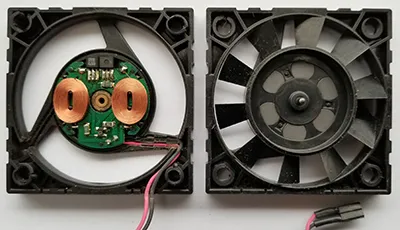
The power supply requirements create specific impacts on installation expenses together with general system flexibility and preliminary setup requirements.
The additional complexity does not prevent DC motors from being widely used in different applications. Why? The main advantages come from achieving accurate control operations.
Speed, Torque, and Control: What Each Motor Type Brings
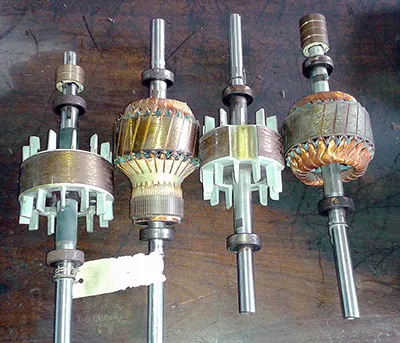
The fundamental aspect which determines the DC and AC comparison results from their performance capabilities. AC motors in automated systems demonstrate great reliability alongside their ability to deliver continuous motion which is exceptionally useful for high-speed movements. Synchronous motor use enables these motors to match power supply frequencies which provides steady speed operation suitable for conveyor equipment together with fans and pumps.
The DC motor stands out in industrial applications because it delivers exceptional precision as a motor. Robotics tools and CNC devices and automatic testing systems depend on these motors because they provide strong torque outputs while maintaining low speed operations and fast directional changes. The multiple advantages of DC motors ensure their essential use cases in applications that need flexible and responsive motion performance.
Efficiency and Performance: Who Wins?
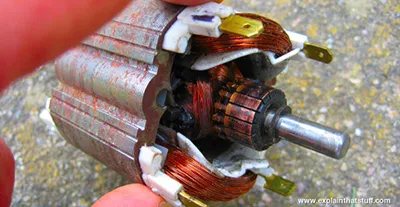
The competition between electric motor types has reached equal levels regarding their operational efficiency. DC motors in automation perform effectively with synchronous motors because they feature reduced moving components and energy efficiency which results in long-lasting energy efficiency benefits. These structures permit minimal sound production alongside minimal component wear thus being essential for busy industrial environments.
The industrial landscape continues to value DC motors despite their competition. The need for higher maintenance does not outweigh the fact that DC motors provide better control of speed and position. A DC motor remains the preferred choice in drive systems requiring adaptive performance for automated operations.
Maintenance and Lifespan: Which One Lasts Longer?
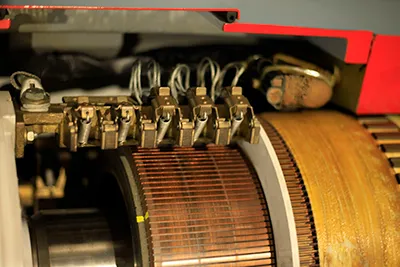
Industrial facilities alongside their engineering departments spend much time focusing on motor upkeep. An advantage of AC motors encompasses minimal equipment that needs replacing combined with straightforward mechanical design which results in reduced equipment downtime and extended industrial motor operation. The absence of brushes and commutators generates an enormous positive impact on required periodic maintenance procedures.
Both modern and industrial production settings need to dedicate more care to their DC motors with brushed designs. Brushless designs have emerged to solve many of these issues which developed from traditional motor technology. The requirement of motor maintenance remains a crucial aspect that promotes AC motors as the more favorable solution for prolonged industrial operations.
Industrial Motor Selection: It’s all about the Application
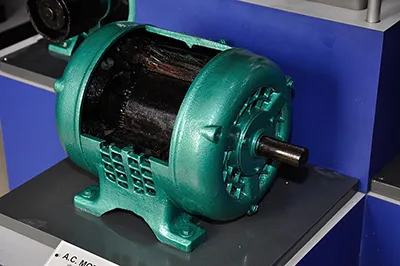
The process of industrial motor selection incorporates these gathered facts. Every selection decision depends solely on how the motor will be applied. Automation systems gain better efficiency together with reliability from AC motors when performing continuous operations. The control of automation equipment motors requires DC motors since they deliver benefits impossible to match by other options.
Current modern setups solve their problems by implementing hybrid systems. Modern production lines utilize two automation motor types by implementing AC motors for basic operations and DC motors for precise control points. The combination of ingredients delivers advantageous speed capacities and design flexibility with no drawbacks.
The Role of Motors in Robotics and Precision Tasks
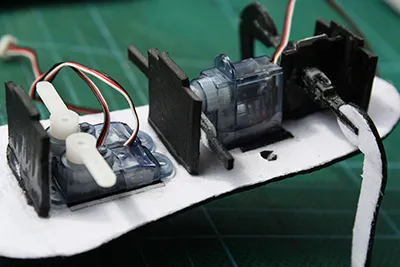
The fascinating part of comparing AC and DC systems manifests when we analyze their applications for robot motors. The operating requirements for robotics consist of exactness together with reactiveness and fine control abilities. The industry widely selects DC motors to run robotic arms and AI automation tools because their precision control and strong torque capabilities. Digital precision motor applications have transformed manufacturing of electronics items and medical devices because of their contribution.
Variable frequency drives (VFDs) have provided better speed control functionality which enables AC motors to catch up with their automation usage. Automated systems operating with the combination of AC and DC components will probably reach their peak development in the future.
High-Performance Motors and the Push toward Sustainability
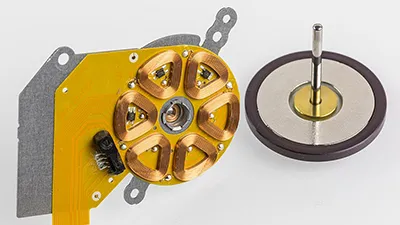
The focusing world on energy conservation makes high-performance motors work beyond their traditional speed and torque value as tools for sustainability. The combination of updated technology from AC motor advantages and DC motor benefits enables industrial sectors to decrease their energy requirements as well as environmental impact.
The advancement of efficient automation motor types leads manufacturers to invest in intelligent motor systems. The motors have built-in self-adjustment capabilities to learn user patterns which allows them to optimize performance and boost electric motor efficiency and enhance industrial motor life expectancy.
Curiosity Pays: Exploring Beyond the Obvious
The comparison between AC motors used in automation and DC motors employed in the industrial sector typically leads to a competitive framing of the choice. The actual implementation operates as a joint effort. Strategic systems now achieve optimal results when they probe performance objectives before execution. Where is precision most needed? How can we reduce downtime? What’s our energy budget?
The development of flexible automation drive systems becomes possible through industries' welcoming approach toward both automation motor types so they can create custom solutions according to their precise needs.
Conclusion: The Right Motor for the Right Job
So, which one powers industrial automation motors better? Both automation receives its power from AC motors while the industrial sector relies on DC motors.
The key lies in knowing when to use which - based on specific needs like control, electric motor efficiency, durability, and speed.
In a world of rapidly evolving technologies, the smartest approach is to think beyond a simple AC vs. DC comparison. It’s about crafting a motor strategy that enhances performance, reduces cost, and keeps systems agile. Whether you're designing robotic arms, conveyor belts, or smart factories, your industrial motor selection will define how far you go.
Stay curious. Stay flexible. Because the motors that truly power the future are the ones that match your vision - perfectly.
 Our Services
 Media Pack Download
 Newsletters
 Industrial Events