Implementing Manufacturing Execution Systems (MES) for Improved Productivity

Manufacturing Execution Systems, abbreviated as MES, are generally used in manufacturing environments to improve efficiency. MES systems therefore act as a middle ground between ERP systems and the shop floor by trying to ensure the necessary integration between different manufacturing activities.
Understanding Manufacturing Execution Systems (MES)
MES interact and integrate with the manufacturing planning and execution systems in real-time. They offer a specific, current perspective of production activities in the course of their production, thus allowing manufacturers to effectively manage them. Based on their integration with warehouse management systems and product management systems, MES systems optimize the supply chain processes, from material receipt to shipment of finished products.
Enhancing Quality Control
Quality control is one of the key components of any production line. MES systems also contain strong quality management abilities that assist in enhancing superior quality across the production range. These systems allow constant monitoring of the quality of the products manufactured, areas of defects, and appropriate corrective measures taken. This way, the problem of imprecise quality control is eliminated, and manufacturers can focus on creating products of good quality that are reliable and meet the needs of their customers.
Embracing Lean Manufacturing Principles
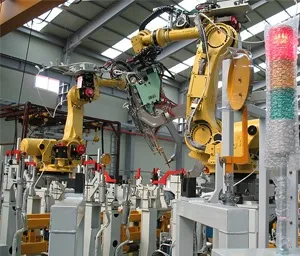
Lean manufacturing is executed to reduce waste while not reducing the quality of production. By implementing MES, lean manufacturing is made easier since MES has tools that will help address the issues concerning the processes. MES itself can transfer lean manufacturing by making real-time data collection as well as analysis for the identification of the inefficiency of manufacturing processes. This leads to improved efficiency, where lead times are sped up as well as the general cost of production.
Workflow automation for improved efficiency
An interesting capability of MES systems is their ability in the area of workflow automation, which subsequently contributes to improving the efficiency of production and operation. Since MES removes the probability of human interference and variations in the performance of routine activities, there is an improvement in the quality of the products and more time for human endeavors.
The social benefits of workflow automation include the enhancement of production management since various schedules have to be respected, including increasing the delivery time of products.
Optimizing production efficiency
Production efficiency, on the other hand, can be described as attaining the intended result with the least amount of input. MES systems enhance the production process by featuring real-time information that would assist in changing the way production is done. Due to real-time control of equipment and systems, as well as control of the production process and data analysis, MES is used in setting up detection of potential disruptions and making corrections to improve production operations.

Driving operational efficiency
This is in a bid to enhance operational efficiency in the manufacturing sector, hence offering great competition. MES systems play a role a role in enhancing the operational efficiency of the production process through marketing research, new product development, and sourcing by identifying how available production resources are utilized to provide solutions to specific manufacturing problems. Because MES systems link with WMSs and other enterprise systems, the flow of information and resources is optimized, and operation efficiency is consequently enhanced.
Process Improvement with MES
This strategy must be maintained in the long run in manufacturing activities due to its importance in the achievement of improved performance. MES systems fill the gap in structuring the approach to managing manufacturing processes while assisting in monitoring, analysis, and control. Decisions can be made to improve areas that are lacking and apply changes as a way of increasing efficiency in a manufacturing firm to cut costs as well as create high-quality products. The MES system and Lean Six Sigma methodologies share several valuable characteristics that mean that the two can be combined to create a structure that supports greater operational excellence.
Streamlining Production Management
MES systems empower a firm with complete production management solutions, namely, scheduling, resource control, and productivity monitoring. MES makes it easy for organizations to plan and control the use of resources to meet production goals and deliver products on time.

Integrating Advanced Technologies
The MES systems are aimed at being implemented and run with high-tech facilities like laser cutting machines. MES systems contribute towards the effective use of laser cutting machines; real-time data on the actual performance and status of the production process in relation to the work accomplished on the machines enhances the precise cutting of materials and allows for minimal waste.
The use of sophisticated technologies in MES systems makes it possible for manufacturers to remain relevant and respond to modern production needs.
Enhancing warehouse management
Warehouse management systems, as a sub-process of manufacturing, are among the critical components of the entire manufacturing process. MES used in connection with WMS provide opportunities for real-time interaction between production processes and warehouse activities of a manufacturing company. This integration makes it possible to track, stow, and replenish all types of inventories, resulting in an enhancement of stock identifiability and a decrease in storage costs. That means that proper warehouse management helps to increase the flow of organizational processes and support product delivery.
Conclusion
MES, or Manufacturing Execution Systems, is another strategic area in manufacturing companies that is aimed at increasing production rates and improving product quality. Effective implementation of MES systems makes it possible for manufacturing companies to adopt lean manufacturing principles, automateome of the workforce, and constantly seek ways of attaining process improvements, all of which lead to attaining a competitive advantage in the market. The extension of MES systems with other technologies and WMS brings additional possibilities for improvement of the production process and its proper organization without gaps. MES systems become highly critical in the context of a constantly advancing business environment in order to provide for steady organic growth and superior performance.
 Our Services
 Media Pack Download
 Newsletters
 Industrial Events