From Assembly Line to Dealer Lot: Secure New Cars for Every Mile
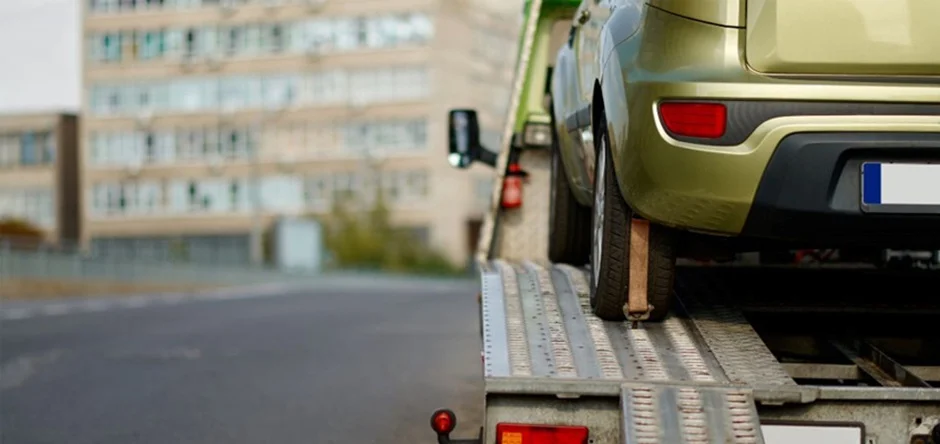
A new car rolls off the line looking perfect. Paint still shiny, interior untouched, odometer at zero. Then it starts moving. Trucks, trains, sometimes more trucks. By the time it hits the dealer lot, that same car has been through a lot of hands and a lot of miles. One of the basic things that keeps it from getting beat up along the way is a decent set of ratchet straps with hooks.
When those straps are solid and put on right, the car usually shows up the way it left.
Once a new car rolls off the line, every mile until delivery is a risk: Automotive Logistics’ coverage of North America’s finished vehicle networks notes that some rail routes take two to three weeks with very few inspection points, and that a minor oversight such as an uncovered window can turn a repair of a couple thousand dollars into a $20,000 bill.
That right there is why nobody can treat the securement step like busywork.
How These Cars Actually Move
Cars sit in yards, and they get loaded onto multi-level rail cars. They transfer again onto truck carriers. Sometimes they wait another few days at a regional hub. Every time the car changes hands, there’s another chance for a strap to loosen or a hook to sit wrong against the body.
On open carriers the cars take wind and road spray for hours. On rail they vibrate for days. Ratchet straps with hooks are what a lot of the truck side relies on. The hooks need clean anchor points that don’t dig into the paint or plastic. The webbing has to be able to hold without any stretching and without cutting into the soft surfaces. If the straps are old or the wrong length for the job, the car can actually shift just enough to leave marks which only appear later on.
Where the Damage Usually Comes From
These things often start the same way: somebody was in a hurry at the loading ramp. The same strap setup that worked last week got used again without a real check. Loaders and drivers are on the clock: rail windows are short, yards are busy. It’s easy to lean on habit. The cars keep coming. The inspections don’t happen at every stop. By the time someone notices a problem, the vehicle might already be hundreds of miles farther down the line.
What Actually Works
Good securement isn’t fancy. Match the straps to the job. Ratchet straps with hooks that still have clear ratings and clean webbing give you a starting point. Soft pads go between the strap and any finished surface. Anchor points get chosen so the car can’t rock under braking. Tension gets checked after the first few miles and again after a major transfer.
On multi-car haulers every load sits a little differently. One car higher, one lower. The straps have to adjust without creating new pressure spots. That takes a few extra minutes of attention, more than any special gear.
The Real Cost of Sloppy Work
A scratched panel or wet interior on a new car - all of it adds up before the car can be sold as new. Then comes the paperwork, the insurance calls, the back-and-forth between the plant, the carrier, and the dealer. In a system where some rail stretches already run two or three weeks with almost no intermediate looks, the first mistake can ride a long way before anyone catches it.
Keeping that from happening starts at the ramp and keeps going through every handoff. The right ratchet straps with hooks, used the right way and checked when they need checking, cut out a big piece of the avoidable risk.
Author Bio:

Natalya Vlasova
Natalya Vlasova is a professional content marketer with more than 10 years of experience in the content marketing field. She specializes in working with clients in Europe and the United States. Additionally, she has over four years of experience in logistics research and in the development of content for the tracking industry.
 Our Services
 Media Pack Download
 Newsletters
 Industrial Events