Regulation-Ready: Auto Controls for Smooth Operations in Manufacturing
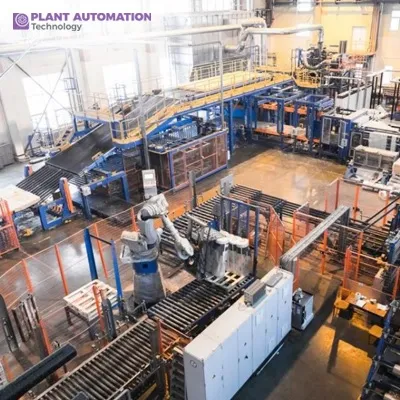
In the dynamic world of manufacturing, maintaining regulatory compliance while ensuring efficient production processes is paramount. Control systems and process automation have become indispensable in achieving these objectives. From automated systems to motor controls, the integration of advanced technologies ensures Smoothed Production in automotive sectors and beyond. This article delves into how robotic process automation, PID control systems, and motion controllers revolutionize manufacturing, reduce costs, and enhance flexibility.
The Role of Control Systems in Manufacturing
Control systems are the backbone of modern manufacturing, providing the necessary framework for process automation. These systems ensure that machinery operates within set parameters, maintaining regulatory compliance and optimizing production efficiency. By implementing automated systems, manufacturers can achieve a high degree of precision and consistency, which is critical in sectors like automotive manufacturing.
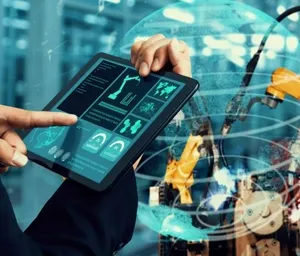
Motor controls are a crucial component of control systems, managing the operation of machinery and ensuring that motors run smoothly and efficiently. In Smoothed Production in automotive industries, motor controls help maintain the delicate balance required for high-quality output. By automating these processes, manufacturers can significantly reduce human error, ensuring that production lines operate seamlessly.
Enhancing Efficiency with Robotic Process Automation

The advent of robotic process automation (RPA) has revolutionized manufacturing, providing unparalleled levels of efficiency and precision. RPA involves using robots to perform repetitive tasks, freeing up human workers to focus on more complex activities. This not only increases productivity but also enhances regulatory compliance by ensuring that tasks are performed consistently and accurately.
PID control systems play a vital role in robotic process automation. A PID control system (Proportional-Integral-Derivative) is used to maintain control over variables such as temperature, pressure, and speed. By utilizing a PID temperature controller, manufacturers can ensure that their processes remain stable, even in the face of changing conditions. This is particularly important in industries where precise temperature control is critical, such as in the production of automotive components.
Optimizing Production with Motion Controllers

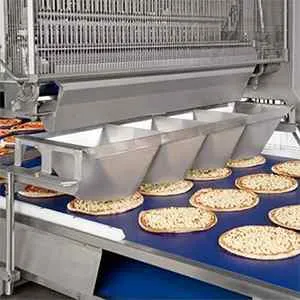
Motion controllers are another essential element of modern manufacturing control systems. These devices manage the movement of machinery, ensuring that operations are carried out with high precision. In Automotive Operation, motion controllers are used to coordinate the movement of robotic arms, conveyor belts, and other equipment, ensuring that all components are in the right place at the right time.
By integrating motion controllers with flexible manufacturing systems, manufacturers can adapt their production lines to handle different tasks and products with minimal downtime. This flexibility is crucial in today's fast-paced manufacturing environment, where the ability to quickly switch between products can provide a significant competitive advantage. Flexible manufacturing systems enable manufacturers to respond to changing market demands swiftly, ensuring that they can meet customer needs while maintaining high levels of efficiency.
Leveraging CAD/CAM Operations for Precision Manufacturing
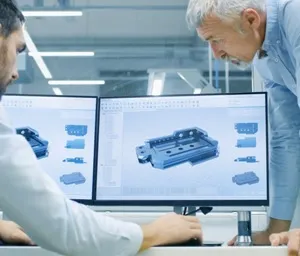
CAD/CAM operations (Computer-Aided Design/Computer-Aided Manufacturing) are integral to the modern manufacturing process. These systems allow manufacturers to design products digitally and then translate those designs into precise manufacturing instructions. By integrating CAD/CAM operations with control systems, manufacturers can ensure that their products are produced to exact specifications.
The use of CAD/CAM operations also enhances regulatory compliance by providing detailed documentation of the design and manufacturing process. This documentation is essential for demonstrating compliance with industry standards and regulations. Additionally, CAD/CAM operations facilitate the use of automated systems, enabling manufacturers to produce complex products with high precision and consistency.
Reducing Manufacturing Costs through Automation

One of the primary benefits of process automation is the reduction of manufacturing costs. By implementing automated systems, manufacturers can reduce labor costs, minimize waste, and increase production efficiency. Motor controls, PID control systems, and motion controllers all contribute to this cost reduction by ensuring that machinery operates efficiently and consistently.
In Automotive Operation, for example, the use of robotic process automation and motion controllers can significantly reduce the time and cost associated with producing automotive components. Automated systems can operate around the clock, increasing production output and reducing the need for manual labor. Additionally, by maintaining precise control over variables such as temperature and speed, manufacturers can reduce waste and improve the quality of their products.
Achieving Regulatory Compliance with Advanced Control Systems

Regulatory compliance is a critical consideration in manufacturing, particularly in industries such as automotive, where safety and quality standards are stringent. Advanced control systems play a crucial role in ensuring regulatory compliance by providing precise control over the manufacturing process. Process automation and automated systems enable manufacturers to maintain consistent quality and meet regulatory requirements.
PID control systems and PID temperature controllers are particularly important in achieving regulatory compliance. These systems ensure that critical variables such as temperature and pressure are maintained within specified limits, reducing the risk of defects and ensuring that products meet regulatory standards. By integrating motion controllers and flexible manufacturing systems, manufacturers can also ensure that their production lines are adaptable and capable of meeting changing regulatory requirements.
The Future of Manufacturing: Integration and Innovation

The future of manufacturing lies in the continued integration of advanced control systems and process automation technologies. By leveraging innovations such as robotic process automation, motion controllers, and flexible manufacturing systems, manufacturers can achieve new levels of efficiency, flexibility, and regulatory compliance.
The integration of CAD/CAM operations with control systems will continue to play a crucial role in ensuring precise and efficient manufacturing processes. As manufacturers strive to reduce costs and improve quality, the use of automated systems and advanced motor controls will become increasingly important.
Conclusion:
In conclusion, the implementation of advanced control systems and process automation technologies is essential for achieving regulatory compliance and optimizing manufacturing processes. From robotic process automation to PID control systems and motion controllers, these technologies provide the precision and efficiency needed to maintain high-quality production while reducing costs. As the manufacturing industry continues to evolve, the integration of automated systems and flexible manufacturing systems will be key to maintaining competitiveness and meeting the demands of an ever-changing market.
By focusing on Smoothed Production in automotive and leveraging the latest advancements in control systems and process automation, manufacturers can ensure that their operations run smoothly and efficiently. Whether through the use of CAD/CAM operations or the implementation of PID temperature controllers, the future of manufacturing is bright, with endless possibilities for innovation and improvement.
 Our Services
 Media Pack Download
 Newsletters
 Industrial Events