Enhancing Industrial Automation: The Role of Electronic Capacitors
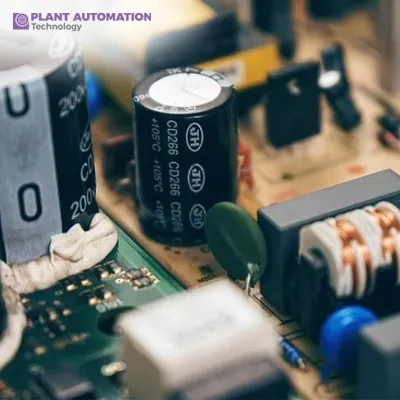
In the landscape of modern industrial automation, electronic capacitors stand as indispensable components that enable a myriad of functionalities across various sectors. Their applications span from power management to intelligent automation, playing a pivotal role in the seamless operation of electrical circuits, transformers, and electron devices. This article delves into the significance of electronic capacitors and their diverse applications in fostering smart manufacturing and enhancing overall efficiency.
Electronic capacitors are fundamental to smart manufacturing as they facilitate power management and intelligent automation. In the context of electrical components and capacitor applications, these devices are essential for transformers electronics and electron devices and circuits. Their role in capacitor applications extends to various aspects of smart manufacturing such as power management and intelligent automation. Electronic capacitors ensure the smooth operation of electrical circuits and transformers electronics in smart manufacturing environments.
Moreover, capacitor applications in smart manufacturing are diverse and encompass power management, intelligent automation, and electrical components integration. Electronic capacitors contribute significantly to power management strategies, enabling intelligent automation of electrical circuits and electron devices and circuits. The use of capacitor applications like ceramic capacitors further enhances smart manufacturing capabilities by optimizing power management and intelligent automation processes.
In summary, electronic capacitors play a vital role in smart manufacturing by facilitating power management, intelligent automation, and seamless operation of electrical circuits, transformers electronics, and electron devices and circuits. Their diverse applications in capacitor applications and electrical components integration make them indispensable for enhancing overall efficiency in modern industrial automation.
Electronic Capacitors: Powering Industrial Innovation
Electronic capacitors, often referred to as capacitors, are the backbone of modern industrial innovation. At the core of electronic systems lie capacitors, which store and release electrical energy as needed, ensuring stable and efficient operations. Their versatility extends to a wide array of applications within industrial settings, where reliability and precision are paramount. Let's explore how electronic capacitors contribute to the evolution of industrial automation:
Electronic capacitors, also known simply as capacitors, play a crucial role in power management and intelligent automation within electrical circuits, transformers electronics, and electron devices and circuits. Their ability to store and release electrical energy makes them indispensable for smart manufacturing processes. Capacitor applications in smart manufacturing environments ensure the seamless operation of electrical components and contribute to overall efficiency.
In smart manufacturing, electronic capacitors are essential components for power management strategies and intelligent automation systems. They facilitate the smooth operation of electrical circuits and transformers electronics, ensuring optimal performance and reliability. Capacitors are also integral to electron devices and circuits, enhancing their functionality and contributing to the evolution of industrial automation. One notable type of capacitor is the ceramic capacitor, which finds extensive applications in smart manufacturing due to its reliability and compact size. Ceramic capacitors are often used in electrical circuits and electron devices for power management and intelligent automation tasks. Their ability to withstand high temperatures and harsh environments makes them ideal for industrial settings.
In conclusion, electronic capacitors are indispensable for powering industrial innovation and driving the evolution of smart manufacturing. Their role in power management, intelligent automation, and capacitor applications within electrical circuits, transformers electronics, and electron devices and circuits is crucial for ensuring stable and efficient industrial operations.
Capacitor Applications in Smart Manufacturing
In the era of smart manufacturing, electronic capacitors emerge as pivotal components that optimize processes and enhance productivity. Their capacitor applications are integral to the functionality of automated systems, facilitating smooth communication between electrical components and ensuring seamless operation of machinery. Capacitors enable real-time data processing, precision control, and swift response to dynamic production demands, thus paving the way for efficient and adaptive manufacturing processes.
Electronic capacitors are essential in smart manufacturing environments, where capacitor applications drive power management strategies and intelligent automation systems. Their role within electrical circuits, transformers electronics, and electron devices and circuits is critical for maintaining operational efficiency. Capacitors ensure stable voltage levels, filter electrical noise, and support the integration of sensors and actuators, enabling real-time monitoring and control.
In smart manufacturing, capacitor applications extend beyond power management to encompass precision control and real-time data processing. Electronic capacitors facilitate the implementation of predictive maintenance strategies, optimizing equipment performance and minimizing downtime. Their ability to store and release electrical energy on demand enables swift responses to changing production requirements, ensuring smooth operations and enhancing overall productivity. Moreover, capacitors, including ceramic capacitors, are key enablers of smart manufacturing advancements. Ceramic capacitors are renowned for their reliability, temperature stability, and compact size, making them ideal for capacitor applications in smart manufacturing environments. They contribute to power management efficiency and support the seamless integration of intelligent automation systems, further enhancing manufacturing processes.
In summary, electronic capacitors play a crucial role in smart manufacturing by driving capacitor applications that optimize processes, enhance productivity, and enable efficient manufacturing operations. Their contributions to power management, intelligent automation, and precision control make them indispensable components in the quest for advanced manufacturing capabilities and adaptive production environments.
Power Management and Capacitor Efficiency
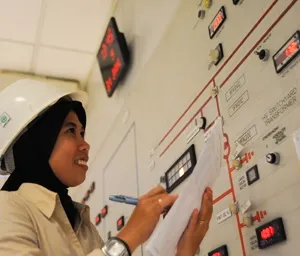
Efficient power management is crucial for sustainable and cost-effective industrial operations. Electronic capacitors play a vital role in this aspect, thanks to their ability to store and regulate electrical energy. Their contributions to power optimization are significant, as they mitigate power fluctuations and improve energy efficiency. This, in turn, reduces operational costs and minimizes downtime, thereby enhancing overall productivity and competitiveness in smart manufacturing environments.
Electronic capacitors are indispensable for power management strategies within electrical circuits, transformers electronics, and electron devices and circuits. Their capacitor applications enable precise control of electrical energy, ensuring optimal power utilization and reducing wastage. Capacitors also support intelligent automation systems by providing stable voltage levels and facilitating seamless communication between electrical components. In the context of smart manufacturing, capacitor efficiency is paramount for optimizing energy consumption and ensuring sustainable operations. Electronic capacitors, including ceramic capacitors, are engineered to deliver high efficiency and reliability in capacitor applications. Their role in power management extends to regulating and storing electrical energy efficiently, thus contributing to the overall efficiency of industrial processes.
Furthermore, capacitors play a crucial role in maintaining electrical stability within smart manufacturing systems. They prevent voltage spikes and surges, protecting electrical components and enhancing system reliability. This proactive approach to power management ensures smooth operations and minimizes the risk of downtime, ultimately enhancing productivity and competitiveness in the industrial sector.
In conclusion, electronic capacitors are integral to efficient power management in smart manufacturing environments. Their capacitor applications contribute significantly to power optimization, energy efficiency, and overall operational effectiveness. By leveraging the efficiency of capacitors, industries can achieve sustainable and cost-effective industrial operations, thereby enhancing their productivity and competitiveness in today's dynamic manufacturing landscape.
Intelligent Automation Enabled by Capacitors
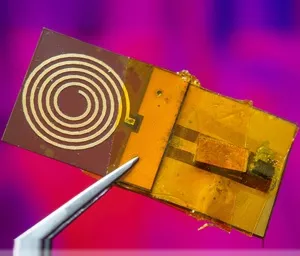
In the domain of intelligent automation, electronic capacitors play a crucial role as enablers of advanced functionalities such as machine learning algorithms, predictive maintenance, and real-time analytics. Their versatile capacitor applications extend to maintaining stable voltage levels, filtering electrical noise, and providing backup power, ensuring the reliability and longevity of automated systems. Capacitors also support the integration of sensors, actuators, and control systems, enabling seamless communication and coordination within automated environments.
Electronic capacitors are essential components in the domain of intelligent automation due to their diverse capacitor applications. They facilitate the implementation of machine learning algorithms by providing stable voltage levels and reliable power management, ensuring optimal performance of automated processes. Additionally, capacitors play a crucial role in predictive maintenance strategies by storing electrical energy for backup purposes, safeguarding against unexpected power disruptions.
In the context of smart manufacturing and intelligent automation, electronic capacitors contribute significantly to system reliability and efficiency. Their ability to filter electrical noise ensures accurate data processing in real-time analytics applications, enhancing decision-making processes. Capacitors also facilitate the integration of sensors and actuators, enabling precise control and monitoring of automated systems. Moreover, capacitors, including ceramic capacitors, are renowned for their reliability and durability in capacitor applications within intelligent automation environments. Their compact size and high efficiency make them ideal for space-constrained applications, ensuring optimal utilization of resources in automated systems.
In summary, electronic capacitors are indispensable enablers of intelligent automation functionalities such as machine learning algorithms, predictive maintenance, and real-time analytics. Their versatile capacitor applications contribute to system reliability, efficiency, and seamless communication within automated environments, making them essential components in the evolution of smart manufacturing and industry 4.0 initiatives.
Optimizing Electrical Circuits and Transformers
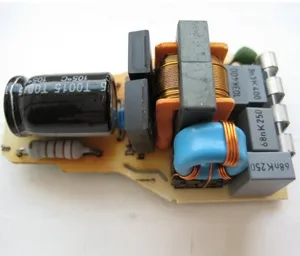
Electronic capacitors play a pivotal role in optimizing the performance of electrical circuits and transformers electronics. Their capacitor applications include stabilizing voltage, improving power management, and reducing electromagnetic interference. These capabilities are instrumental in ensuring the smooth operation of industrial equipment within smart manufacturing environments.
Electronic capacitors are essential for optimizing electrical circuits and transformers due to their diverse capacitor applications. They stabilize voltage levels, ensuring consistent power delivery to electrical components and transformers electronics. This power management function is crucial for preventing voltage fluctuations, which can lead to equipment malfunction and downtime. Moreover, capacitors contribute to improving power factor correction in electrical circuits and transformers, enhancing energy efficiency and reducing wastage. This capability is essential for sustainable industrial operations and aligns with smart manufacturing principles of resource optimization. In addition to power management, electronic capacitors play a key role in reducing electromagnetic interference within electrical circuits and transformers electronics. This contributes to the reliability and longevity of industrial equipment by minimizing disruptions and ensuring smooth operation.
Furthermore, capacitors, including ceramic capacitors, are known for their ability to protect electrical components from voltage spikes and surges. This safeguarding function extends the lifespan of electrical equipment and enhances overall system reliability.
In summary, electronic capacitors are instrumental in optimizing electrical circuits and transformers electronics within smart manufacturing environments. Their capacitor applications in stabilizing voltage, improving power factor correction, and reducing electromagnetic interference contribute to enhanced system reliability, energy efficiency, and sustainable industrial operations.
Advancements in Capacitor Technology
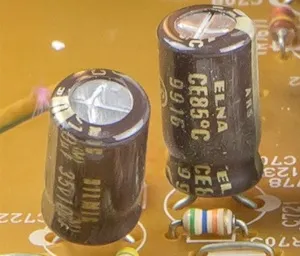
The evolution of capacitor technology, including the development of ceramic capacitors, has significantly enhanced their utility in industrial automation and smart manufacturing. Ceramic capacitors offer high capacitance in a compact form factor, making them ideal for space-constrained applications in smart manufacturing and electronic devices. Their reliability, temperature stability, and low leakage current make ceramic capacitors a preferred choice for critical industrial applications.
Electronic capacitors, particularly ceramic capacitors, have witnessed notable advancements in capacitor technology. These advancements have expanded their capacitor applications in smart manufacturing and industrial automation, enabling more efficient power management and intelligent automation systems. The development of ceramic capacitors with high capacitance has addressed the growing demand for compact yet high-performance electrical components in smart manufacturing environments.
In smart manufacturing and industrial automation, the reliability and stability of capacitors, especially ceramic capacitors, are crucial for ensuring uninterrupted operation of electrical circuits, transformers electronics, and electron devices and circuits. Their low leakage current ensures minimal energy wastage and contributes to energy efficiency initiatives in smart manufacturing settings. Furthermore, ceramic capacitors play a vital role in enhancing system reliability and longevity in smart manufacturing and industrial automation. Their ability to withstand varying temperatures and harsh environmental conditions makes them suitable for demanding industrial applications where reliability is paramount.
In conclusion, advancements in capacitor technology, particularly the development of ceramic capacitors, have significantly expanded their utility and applicability in smart manufacturing and industrial automation. Their high capacitance, compact form factor, reliability, and temperature stability make ceramic capacitors an indispensable component for critical electrical applications in modern industrial settings.
Driving Innovation with Capacitor Applications
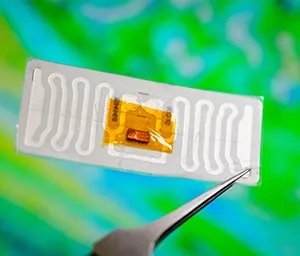
As industries undergo digital transformation and adopt Industry 4.0 initiatives, the significance of electronic capacitors in driving innovation becomes increasingly apparent. Capacitors play a crucial role in enabling the seamless integration of IoT devices, edge computing systems, and cloud-based platforms in smart manufacturing environments. Their contributions to power management, energy efficiency, and system reliability are instrumental in fostering a connected and agile industrial ecosystem.
The role of electronic capacitors in driving innovation is multifaceted. Their capacitor applications span across electrical components, electrical circuits, transformers electronics, and electron devices and circuits, enabling the efficient operation of intelligent automation systems. Capacitors ensure power quality and stability, facilitating the smooth functioning of industrial equipment and enhancing system reliability. In the context of smart manufacturing, capacitors are essential for optimizing power management strategies and supporting the integration of cutting-edge technologies. Their ability to store and regulate electrical energy enables the implementation of energy-efficient practices, contributing to sustainability initiatives and cost savings.
Moreover, capacitors, including ceramic capacitors, are pivotal in enhancing system efficiency and performance. Their compact size and high capacitance make them suitable for space-constrained applications in smart manufacturing environments, where innovative solutions are required to meet evolving industry demands.
In conclusion, the role of electronic capacitors in driving innovation is indispensable in today's smart manufacturing landscape. Their diverse capacitor applications contribute to power management, energy efficiency, and system reliability, ultimately fueling innovation and competitiveness across diverse industrial sectors.
Conclusion:
Electronic capacitors are indispensable components in the realm of industrial automation, powering smart manufacturing, optimizing power management, and enabling intelligent automation. With their diverse capacitor applications across electrical circuits, transformers, and electron devices, capacitors play a vital role in enhancing operational efficiency, reliability, and innovation in industrial settings. As technology continues to advance, capacitors will remain at the forefront of driving industrial automation towards greater heights of efficiency and sustainability.
In industrial automation, electronic capacitors are fundamental for power management, smart manufacturing, and intelligent automation systems. Their capacitor applications ensure stable voltage levels, efficient power utilization, and seamless communication within automated environments. Capacitors also contribute to the longevity of electrical components and system reliability, supporting uninterrupted operation of industrial equipment.
Moreover, capacitors, including ceramic capacitors, are essential for optimizing power management strategies and supporting the integration of advanced technologies in smart manufacturing. Their role in capacitor applications extends to energy efficiency, system stability, and innovative solutions for industrial challenges.
In conclusion, electronic capacitors are integral to industrial automation and smart manufacturing, driving efficiency, reliability, and innovation in industrial settings. Their diverse capacitor applications and contributions to power management, intelligent automation, and system reliability make capacitors indispensable components in the evolution of modern industries towards sustainability and technological advancement.
Author Bio:

 Our Services
 Media Pack Download
 Newsletters
 Industrial Events