Cobots vs. Robots: Why Collaborative Automation Is the New Norm

The Automation Dilemma: Cobots vs Robots
At present, Cobots vs Robots is a debate shifting how industries view factory automation. Industrial robots have been on the shop floor for a long time, handling the same activities many times with speed and accuracy. But the main problem with them is? Little to no flexibility and requiring strict areas for staying safe. That’s why we use collaborative robots or cobots which are intelligent, simple to work with and are guaranteed to be safe next to us. As industries develop, people are now considering whether to use industrial or collaborative robots. The main aim is to make smart choices and ensure your business stays alive in a digital economy.
Redefining the Factory Floor: Collaborative Robots in Manufacturing
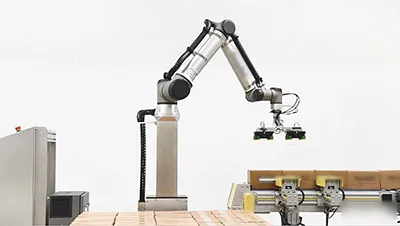
Consider that machines might be able to not only do tasks, but interact and team up with you as well. Industries such as automobiles and electronics, are finding that collaborative robots are revamping their production lines. Programming and redeploying cobots is easy and unlike other robots, they can be located near people without safety barriers. We are not simply getting rid of people in the workplace - we are enhancing what they already do. The main benefit is that cobots in automation support workers instead of removing them.
The Shift in Perspective: Industrial Robots vs Collaborative Robots
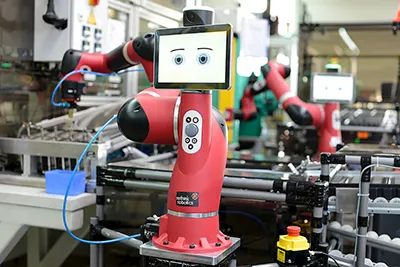
A closer examination of industrial robots and collaborative robots highlights aspects other than technology. Typically, industrial robots are big, costly and made for repeating the same task. They perform best where there is little variation. Still, in cases where flexibility and speed matter, what should we do? It is for situations like this that cobots in automation are used. The reason they work well in agile environments is that they can be set up quickly, programmed easily and operate together with human workers. What we should think about is which is better right now.
The New Industrial Norm: Embracing Collaborative Automation Trends

Such collaboration in automation is changing the direction of business development. Today, manufacturers are innovative, rethinking processes from the beginning. When there is a worldwide labor shortage, more need for small-batch manufacturing and smart factories are increasing, cobots are the best fit for the job. Automation in this era is focused on people. It focuses on how to ensure workers are more valuable instead of useless. Collaborating with robots is central to today’s world which brings people and machines closer together.
Tomorrow’s Technology Today: The Future of Cobots
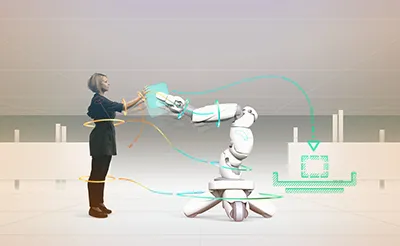
The future of cobots is predicted to bring about major changes. Collaborative robotics is expected to account for a large proportion of the automation market by 2025. However, what makes companies choose cobots for their tasks? It’s because, in many cases, cobots are actually members of your team.
Intelligent robots with a compact design and easy connection to IoT are excellent choices for future factories. Picture a factory with a robotic arm that mimics what you do, quickly changes course during the process and increases productivity while facing little downtime.
Transforming Enterprises: Cobots in Industry 4.0

What does Industry 4.0 expect from automation? We require machines that are intelligent, reliable and flexible. Industry 4.0 cobots have these three characteristics. They can access information, work with in-house ERP systems and partner with many machines at a time. They think in the same way as the factory and are part of its operations. In today’s world, not relying on cobots in automation means a company could fall behind its competitors. Essentially, the strength of this revolution lies in robots and humans easily cooperating, thanks to quick feedback and predictions.
Tailored for All: Cobots in SMEs
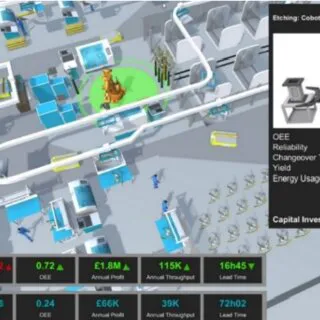
One great thing about cobots is that they can be used by companies of all sizes. Cobots are helping small and medium enterprises to stand on equal footing with bigger businesses. Traditional industrial robots require lots of money and room, so most of these businesses are unable to use them. However, cobots were designed for cost-effective use and do not need much space. After minimal training, workers can use cobots for packaging, quality inspection and other tasks. Because anyone can use it, small businesses can now act like big companies.
Practical Integration: Workforce and Cobot Integration
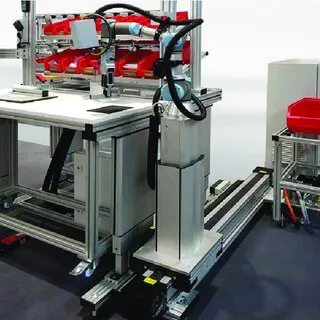
How can you unite people and robots in a manner that proves useful? Bringing in collaborative robots and having a well-planned workforce will provide the answer. Cobots have been developed in a way that makes them simpler to operate than isolated robots. A robot can be directed by an operator to move, shown how things should be done and trusted to manage the process on its own. Those organizations that concentrate on change management and upskilling see that adoption is received openly. Of course, everyone prefers an assistant that never tires and increases productivity with lower errors.
The Competitive Advantage: Benefits of Cobots over Traditional Robots
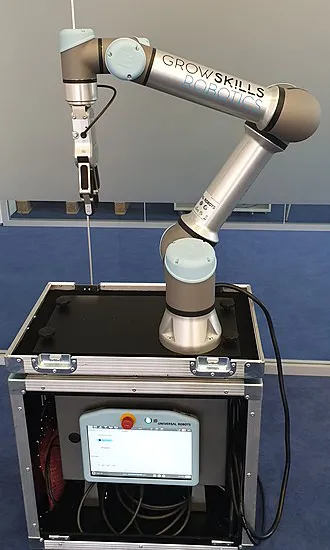
The differences between cobots and traditional robots are hard to ignore. Cobots can be used in a wide range of ways. They can be assigned to different areas and still manage well during changing shifts. They help lower automation expenses by using less machinery, taking less time to set up and calling for little maintenance. The most interesting benefit they offer is improved morale among employees. Employees experience motivation, instead of feeling anxious. The positive relationship between people and cobots is key to advancements and increased productivity.
Smarter Systems: The Role of Smart Factory Automation
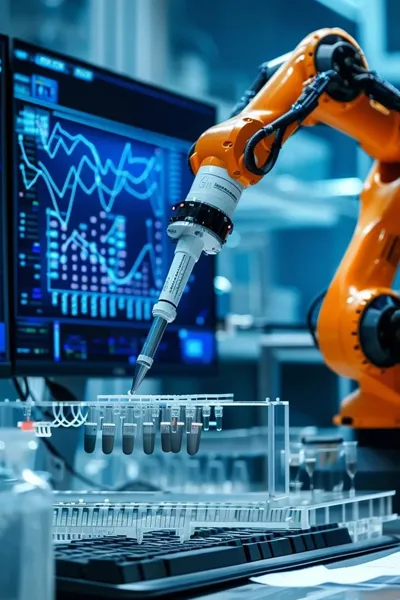
Because of today’s connectivity, smart factory automation has become far more than a fad. It involves machines, people and different processes communicating at the same time. In this case, manufacturing collaborative robots connect data and assist in decision-making. Factories that adapt, learn and work with cloud technologies both produce and think strategically. Now, people cannot do without cobots; they are a necessity.
Innovation by Design: Adaptive Manufacturing and the Rise of Cobots
Agility is the most important trait in today’s manufacturing. Responsive and custom manufacturing depends on robotics such as cobots. A request for a different design, a lack of important materials or a sudden increase in orders can challenge a factory’s progress. But cooperative robots allow for instant changes. Being relatively small and able to function in narrow areas, they excel in quick-production situations, unlike most robots.
A Strategic Partner: Plant Automation Technology Cobots
There is a growing interest among companies in relying on plant automation cobots like those offered by Plant Automation Technology. The platforms include full assistance during every stage, starting with choosing and integrating a solution and ending with support and training. Manufacturers can use these hubs to successfully learn the market for collaborative robotics in 2025. Tech that was a novelty a few years ago is now a sound opportunity for investing.
Looking Ahead: Curiosity Fuels the Future of Cobots
Where are things leading us? Cobots will be both brighter and more intelligent, as well as safer and friendlier for humans.
With the development of both AI and new sensors, cobots will act and function with more independence and be able to foresee and react to situations. Instead of only carrying out tasks, employees will now focus on how to streamline their work. This also leads us to ask: Could creativity be lost when humans rely on co-bots? Imagine machines being able to feel or understand what someone is feeling. Both what cobots do now and what they may become are sources of intrigue in Industry 4.0. The future has a sense of excitement, but what lies ahead is also unpredictable.
Conclusion: Are You Ready for the Shift?
Cobots and Robots are debated not just from a logical standpoint but also from a philosophical perspective. It encourages us to review our role with machines and to picture how our efforts might change as we work together with robots. As people are increasingly adopting collaborative automation, the world is adjusting to a completely new industrial lifestyle. Cobots in automation are ready for exploration, no matter if you’re a big manufacturer, a small business or simply like technology. Settle on whether you are prepared for a day when technology moves beyond helping you to actually collaborating with you.
 Our Services
 Media Pack Download
 Newsletters
 Industrial Events